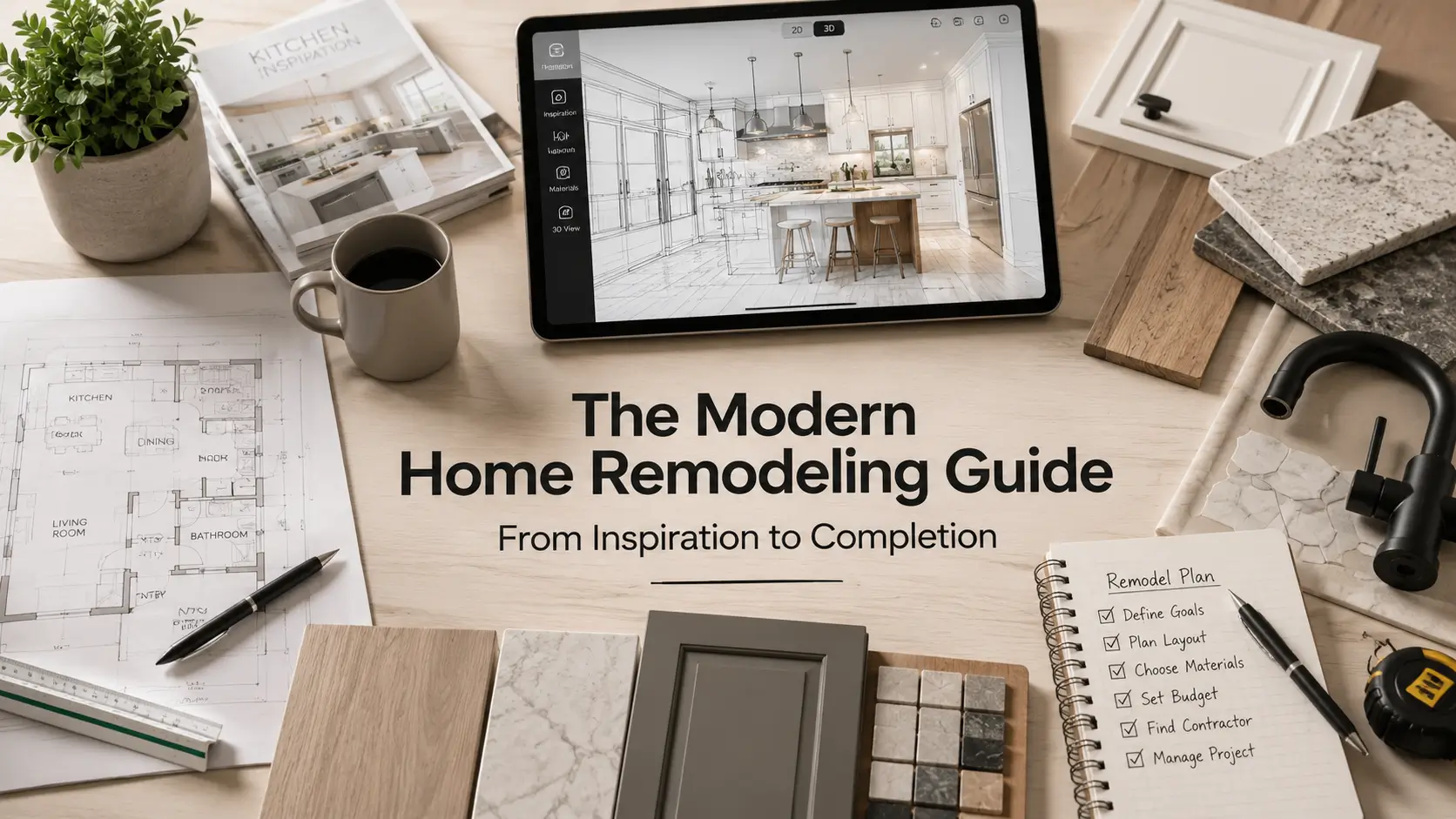
A home remodel usually starts with excitement—and quickly turns into dozens of decisions.
Today, homeowners have access to endless design inspiration, product options, online reviews, and renovation advice. But having more choices doesn’t always make decisions easier. Many homeowners aren’t sure where to start a home remodel or how to create a realistic renovation plan. As a result, many remodeling projects stall before they begin because people aren’t sure what to do first, what materials to choose, or how to keep everything organized.
A successful remodel is about more than selecting flooring, cabinets, or bathroom fixtures. It starts with understanding your space, defining your goals, coordinating materials, and making informed decisions before construction begins.
Whether you’re updating a single room or planning a larger renovation, having a clear process can help reduce stress, avoid costly mistakes, and create a more cohesive result.
In this guide, we’ll walk through a smarter approach to remodeling—from inspiration and design planning to material selection, contractor coordination, and project management tools that can help keep everything moving forward.Think of it as a practical home remodeling checklist that helps you move from inspiration to completion with greater confidence.
Start With the Space, Not the Products
One of the most common remodeling mistakes is choosing products before defining the space.
Many homeowners begin by comparing flooring samples, cabinet colors, countertops, or fixtures. While these decisions are important, they often come too early in the process. Without a clear understanding of how the space needs to function, it’s easy to make choices that look good individually but don’t work well together.
A better approach is to start with the room itself. Think about how the space is used every day, what problems you’re trying to solve, and what kind of atmosphere you want to create. A family kitchen, a primary bathroom, and an open-concept living area all have different priorities, even if they share similar design styles.
Once the goals for the space are clear, material selection becomes much easier. Flooring, cabinetry, countertops, fixtures, and finishes can then be chosen to support the overall design rather than competing for attention.
Whether you’re planning a kitchen renovation, updating a bathroom, or improving your living spaces, starting with inspiration at the room level often leads to better remodeling decisions and a more cohesive result.
Need inspiration for a specific room? Start here:
- Flooring Projects
- Kitchen Projects
- Bathroom Projects
Visualize Before You Commit
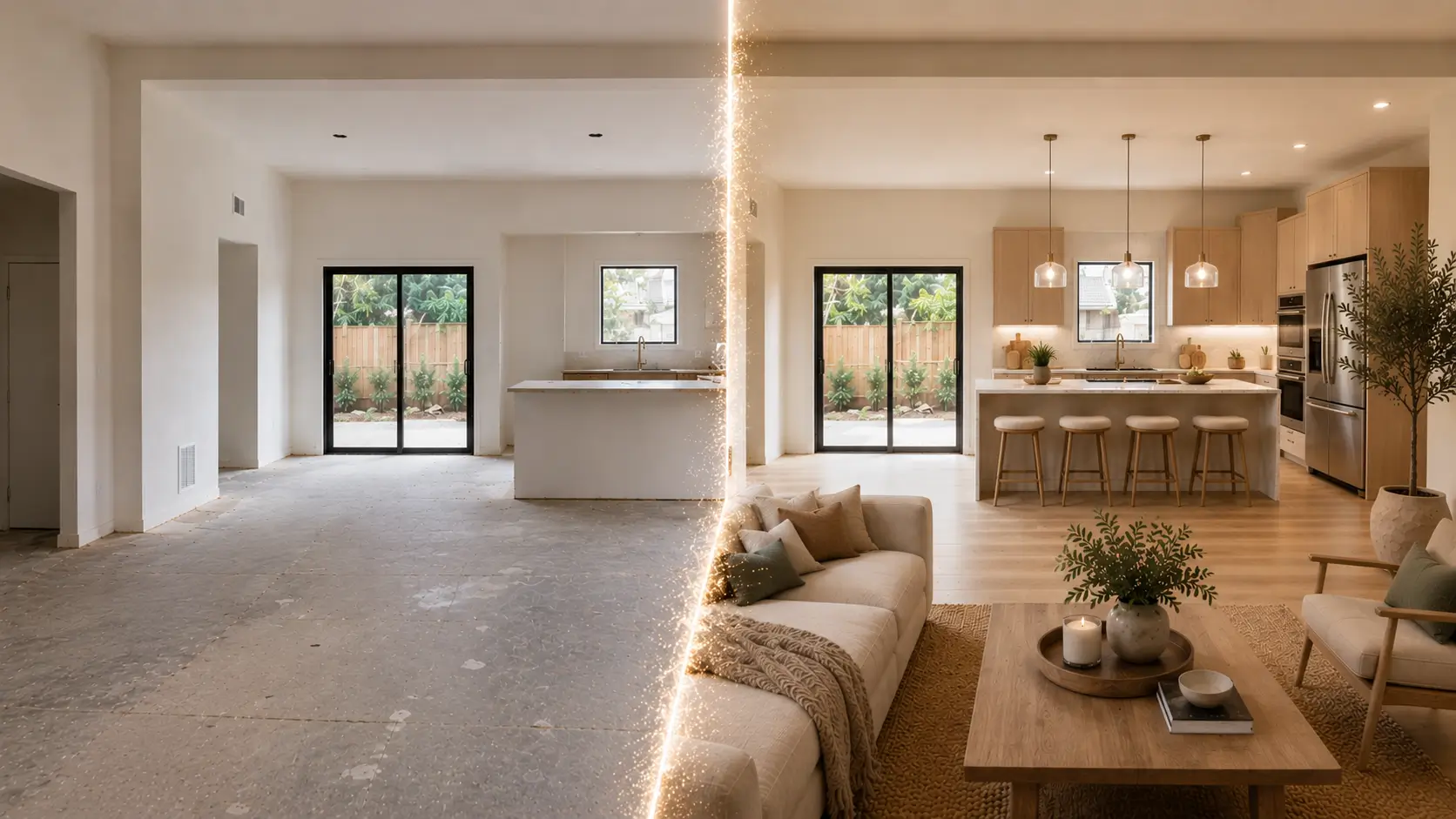
One of the biggest challenges in any remodeling project is knowing whether an idea will actually work in your space.
A flooring sample may look great in a showroom. A cabinet color may look perfect online. A bathroom design may look beautiful in a photo. But once those materials are installed in your home, the result can feel very different than expected.
This uncertainty often leads to delayed decisions, costly changes, and remodeling regret. That’s why many homeowners now spend more time visualizing ideas before making major purchases.
Instead of relying solely on imagination, modern remodeling tools make it easier to preview different styles, materials, and layouts before committing to a final design. Seeing how flooring, cabinets, bathroom finishes, or color palettes work together can help homeowners make faster and more confident decisions.
Visualization is also valuable for contractors and designers. It helps align expectations early in the process, reduces misunderstandings, and creates a clearer direction before materials are ordered or construction begins.
Before selecting products, take time to explore how different ideas might look in your actual space. A few minutes spent visualizing options can often save weeks of uncertainty later.
Explore renovation visualization tools:
Build a Material Plan That Works Together
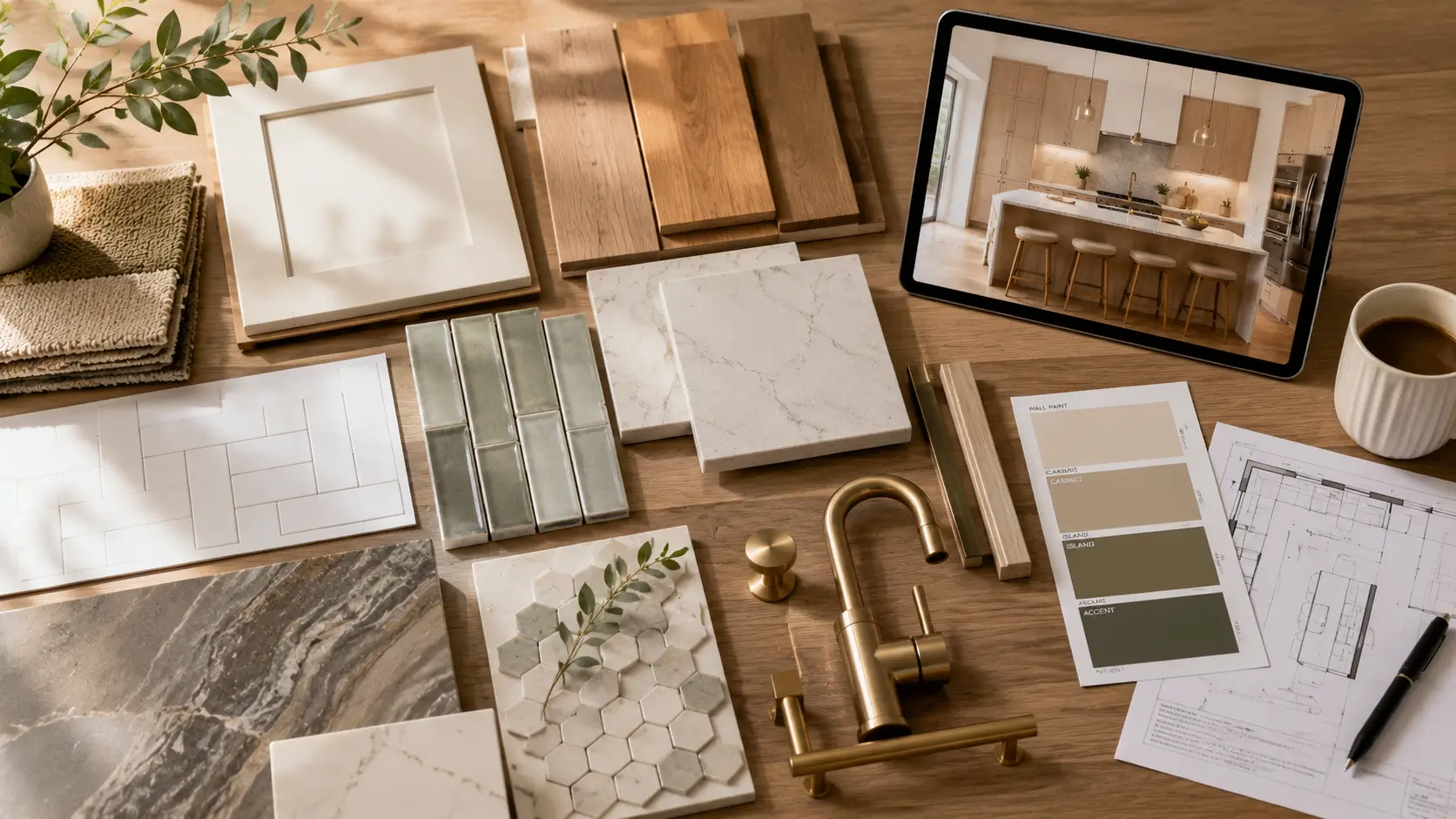
Once you’ve defined your space and explored different design directions, the next step is creating a material plan that works as a whole.
Many remodeling projects run into problems because materials are selected one at a time. A homeowner might choose flooring first, then cabinets, then countertops, and finally bathroom finishes. While each product may look great individually, the overall result can feel disconnected when colors, textures, and styles don’t work together.
A more effective approach is to plan materials as a complete system from the beginning. Flooring, cabinetry, countertops, doors, bathroom surfaces, and decorative finishes all influence one another. When selected together, they create a more cohesive design and make decision-making much easier throughout the project.
Material coordination is especially important in modern open-concept homes where multiple spaces connect visually. A flooring choice may influence kitchen cabinet colors. Countertop materials may affect bathroom finishes. Consistent design decisions help create a smoother flow from room to room.
Planning materials together can also simplify budgeting, product sourcing, and project timelines. Instead of managing multiple suppliers and separate purchasing decisions, homeowners and contractors can evaluate products side by side and build a more coordinated remodeling plan.
Whether you’re renovating a kitchen, bathroom, living space, or an entire home, thinking beyond individual products often leads to a better result.
Explore remodeling materials by category:
Don’t Let Inventory Delay Your Project
Even the best remodeling plan can run into problems if materials aren’t available when you need them.
Many renovation delays have nothing to do with design or construction. Instead, they happen because products are out of stock, lead times are longer than expected, or materials arrive later than planned. These issues can slow down installation schedules, create project gaps, and increase overall costs.
That’s why availability should be part of the planning process from the beginning—not an afterthought.
Before making final decisions, it’s often helpful to confirm product availability, compare lead times, and view materials in person whenever possible. Seeing products firsthand can also help avoid surprises related to color, texture, scale, or finish.
For larger remodeling projects, coordinating materials from a reliable source can simplify purchasing and reduce the risk of delays. Local inventory, showroom access, and convenient pickup options can make a significant difference when project timelines matter.
Whether you’re a homeowner managing a renovation or a contractor coordinating multiple jobs, having access to products when you need them helps keep projects moving forward. Having materials ready is only part of the equation. The next step is making sure you have the right professionals in place to bring the project to life.
Learn more about local inventory, showroom experiences, and project support:
Finding the Right Contractor Matters
Even the best design ideas and material selections can fall short without the right contractor.
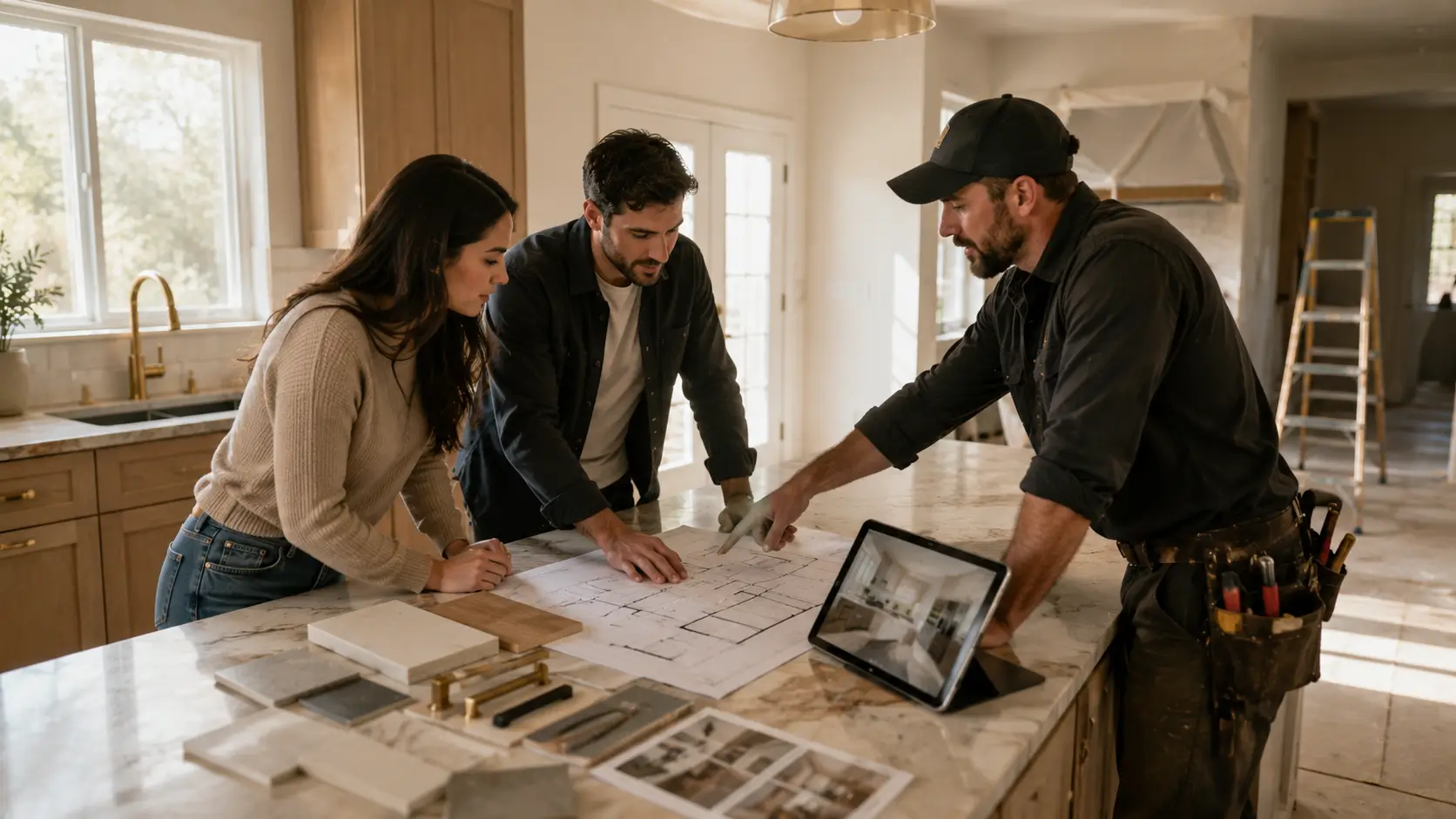
For many homeowners, finding a qualified remodeling professional is one of the most challenging parts of the renovation process. Questions about experience, communication, timelines, pricing, and reliability can make it difficult to know where to begin.
While every project is different, there are a few qualities worth looking for when evaluating contractors. A good contractor should be able to explain the renovation process clearly, communicate expectations upfront, provide realistic timelines, and help identify potential challenges before work begins.
It’s also helpful to review previous projects, verify licensing requirements where applicable, and ask for references when planning larger renovations. Taking time to evaluate contractors carefully can help reduce misunderstandings and create a smoother remodeling experience.
For homeowners, the goal isn’t simply finding someone who can install products. It’s finding a professional who understands the project, coordinates effectively, and helps bring the overall vision to life.
As digital tools continue to improve the remodeling experience, homeowners now have more ways to research renovation professionals, compare options, and manage projects more efficiently throughout the remodeling process.
Need additional project support and remodeling resources?
Tools That Keep Remodeling Projects Moving
Once a remodeling project begins, staying organized becomes just as important as making the right design decisions.
Homeowners often find themselves tracking product selections, contractor conversations, project timelines, and renovation updates across multiple emails, text messages, and spreadsheets. For contractors and project professionals, managing multiple jobs, quotations, material orders, and client communication can become even more complex.
Digital tools are helping simplify this process.
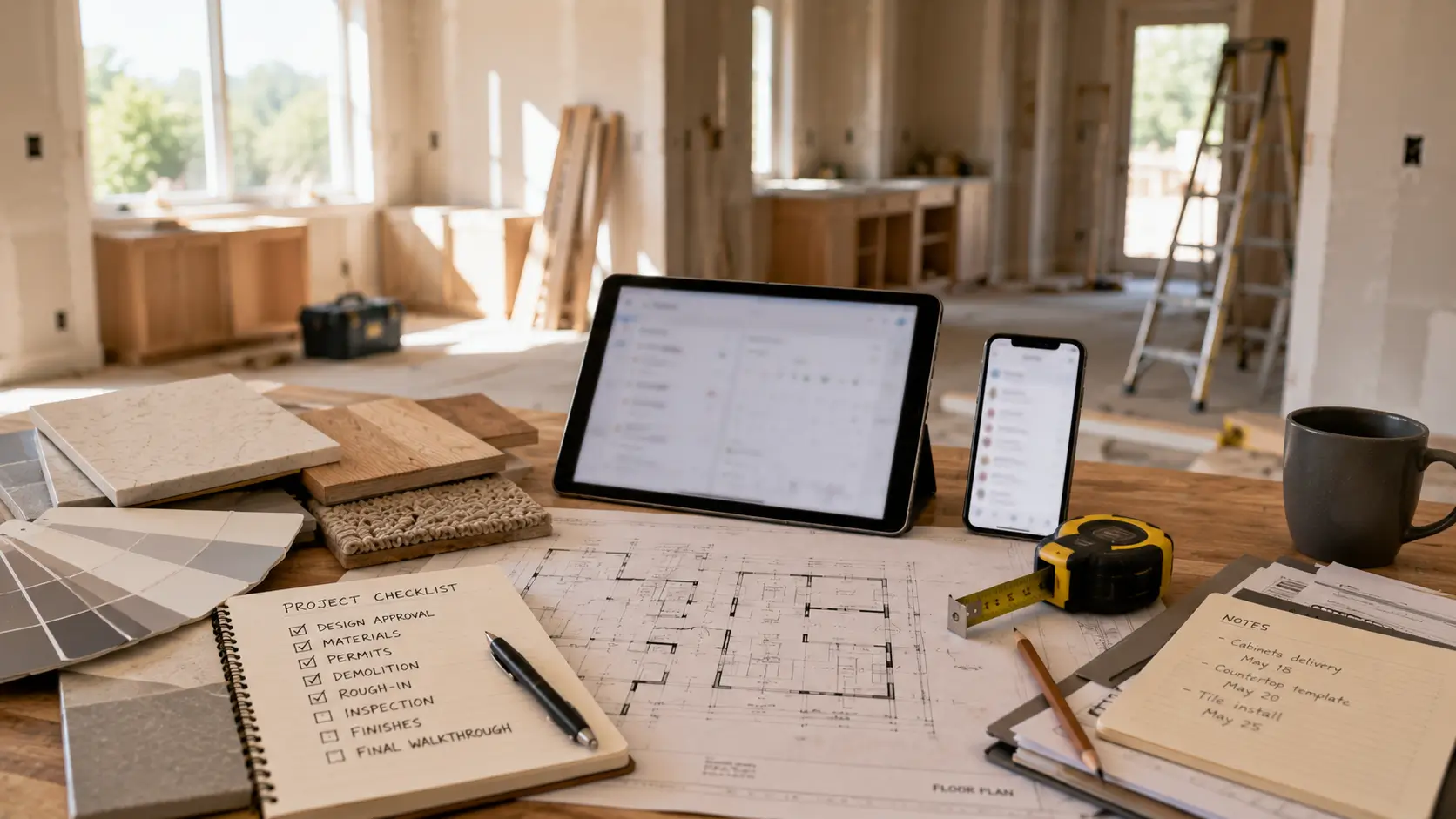
Instead of relying on disconnected workflows, many remodeling projects now benefit from centralized tools that support planning, communication, and project tracking throughout the renovation journey. Features such as project management, construction logs, digital quotations, and renovation planning tools can help keep everyone aligned from start to finish. Digital quotation tools can also help homeowners and contractors estimate materials, compare options, and make faster purchasing decisions.
For homeowners, these tools provide greater visibility into project progress and help reduce uncertainty during renovations. For contractors, they can improve efficiency, streamline communication, and simplify day-to-day project coordination.
As remodeling projects become more connected, digital tools are increasingly becoming part of the modern renovation experience—not just an added convenience, but a practical way to keep projects moving forward.
Explore tools designed for homeowners and project professionals:
A Smarter Way to Remodel
A successful remodel is rarely about one product, one room, or one decision. It’s the result of dozens of choices working together toward the same goal.
The most effective renovations typically follow a clear process: understanding the space, exploring design ideas, coordinating materials, planning for availability, choosing the right professionals, and keeping the project organized from start to finish.
As renovation projects become more complex, homeowners and contractors are increasingly looking for ways to simplify the experience. Connected tools, coordinated material planning, local inventory, showroom access, and project support can all help reduce friction throughout the remodeling journey.
Rather than treating each decision as a separate task, a smarter approach is to view remodeling as a connected process where inspiration, planning, purchasing, and project management work together.
Whether you’re updating a single room or planning a larger renovation, taking a more organized approach can help create better results, reduce unnecessary delays, and make the entire experience more enjoyable.
Explore the CasaPro ecosystem:
- Why CasaPro
- App & AI Design Tools
- Pro Solutions
- Contact Our Team